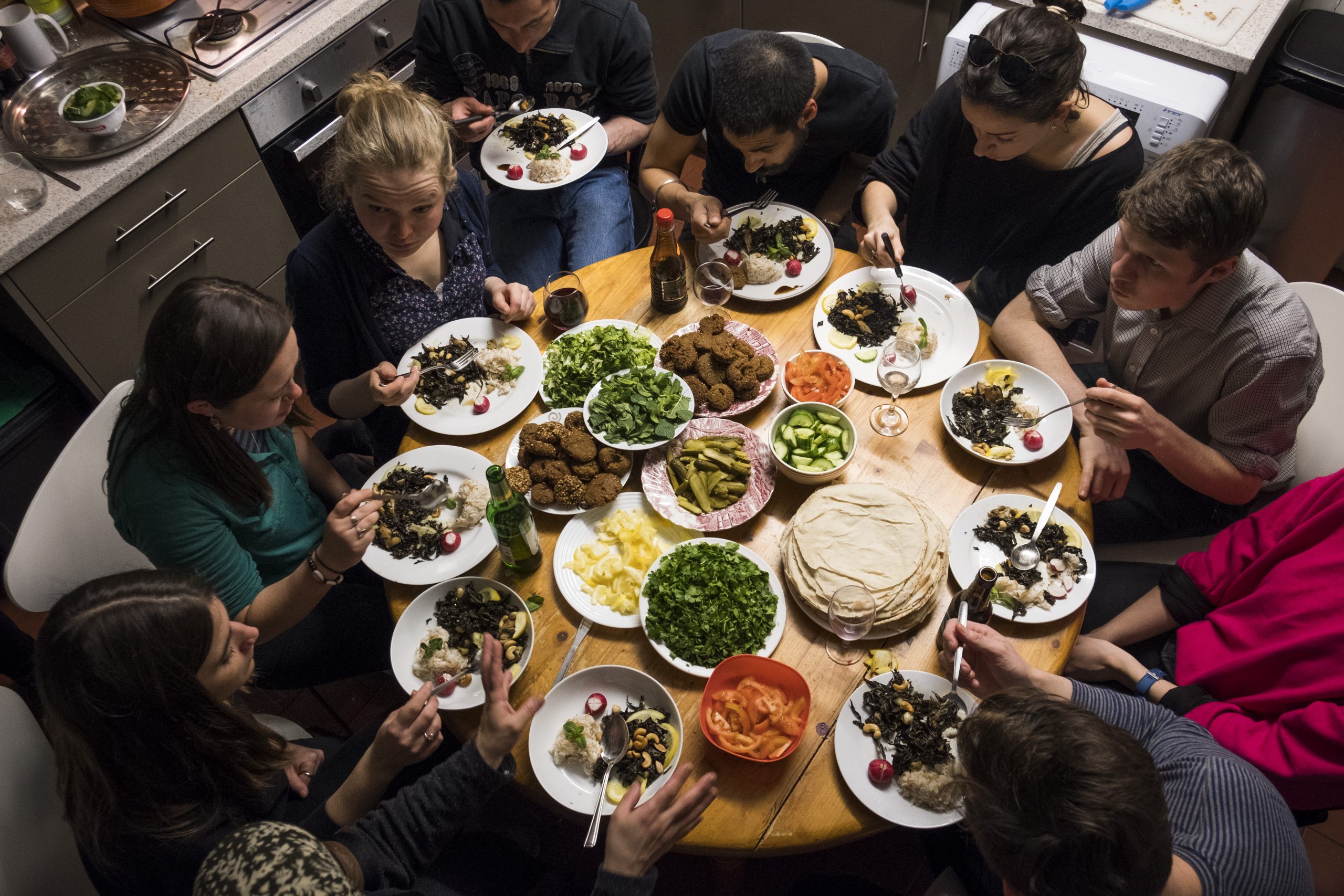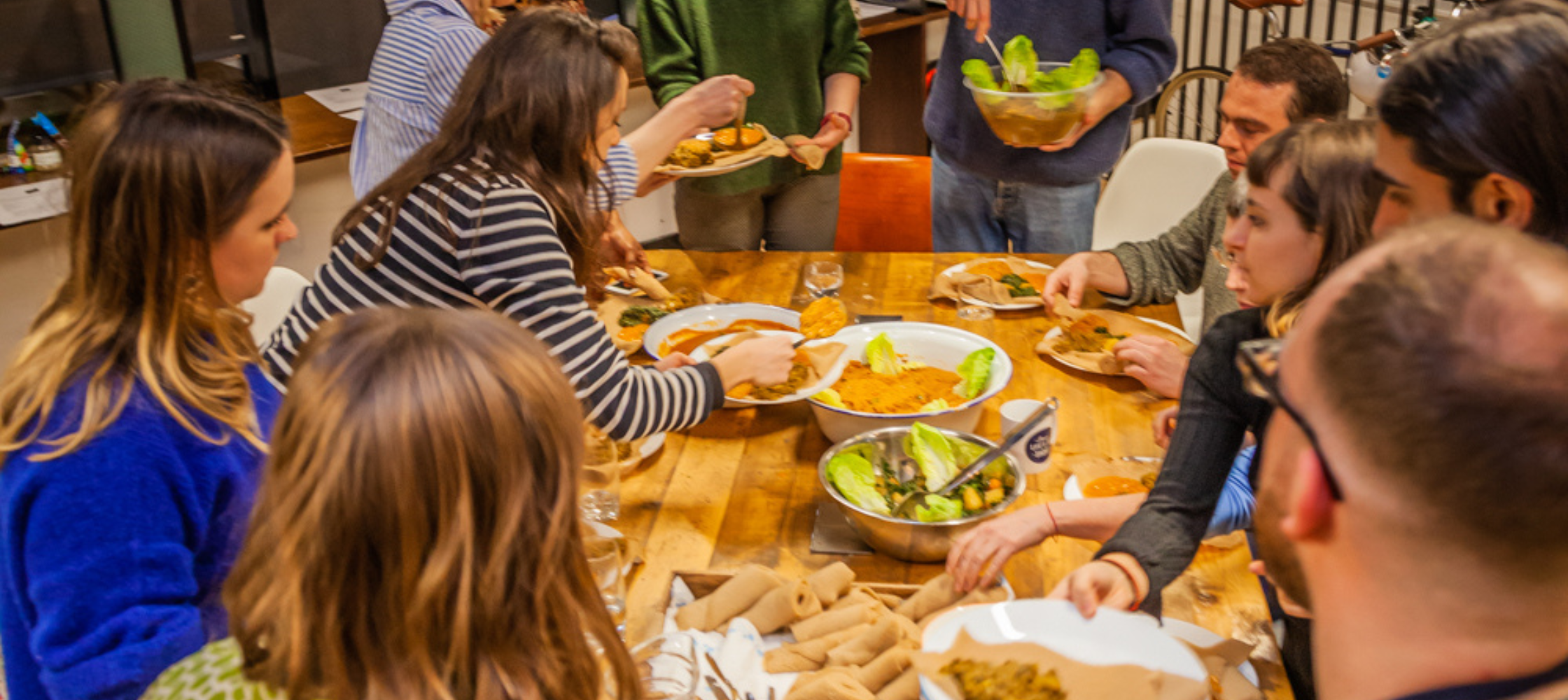

The first Migrateful cookery class in June 2017 took place in my kitchen where Elahe, a trained psychologist from Iran who had been forced to flee her country, taught her favourite Iranian dishes to my friends. In that first moment of sitting down as a group to eat Elahe’s delicious dishes, it was clear to me that food is more than just sustenance; it is intertwined with our cultural identity, personal memories, social connections, and emotional well-being. In an interview with Elahe in 2019 for Refugee Week she told me:
“A lot of my happiest memories are associated with food. I remember as a child waking up to the smell of my grandmother’s bread which filled the house with the world’s most beautiful smell. Food is an important way for me to stay connected to my past and to my country”.
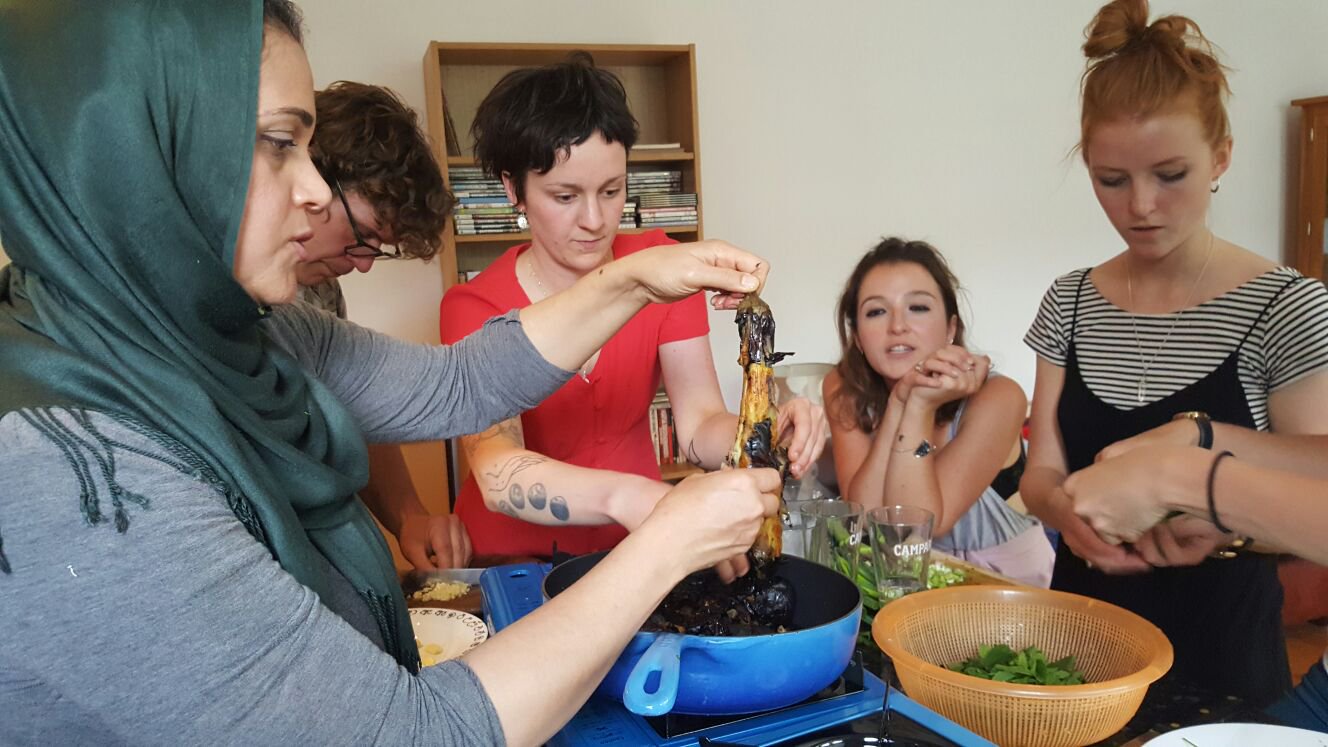
This year’s theme for Refugee Week is ‘Our Home’. This article will explore why food has the ability to connect us to our sense of ‘home’ by evoking such a wide range of emotions, providing comfort, stability, and a sense of belonging, even in a foreign land.
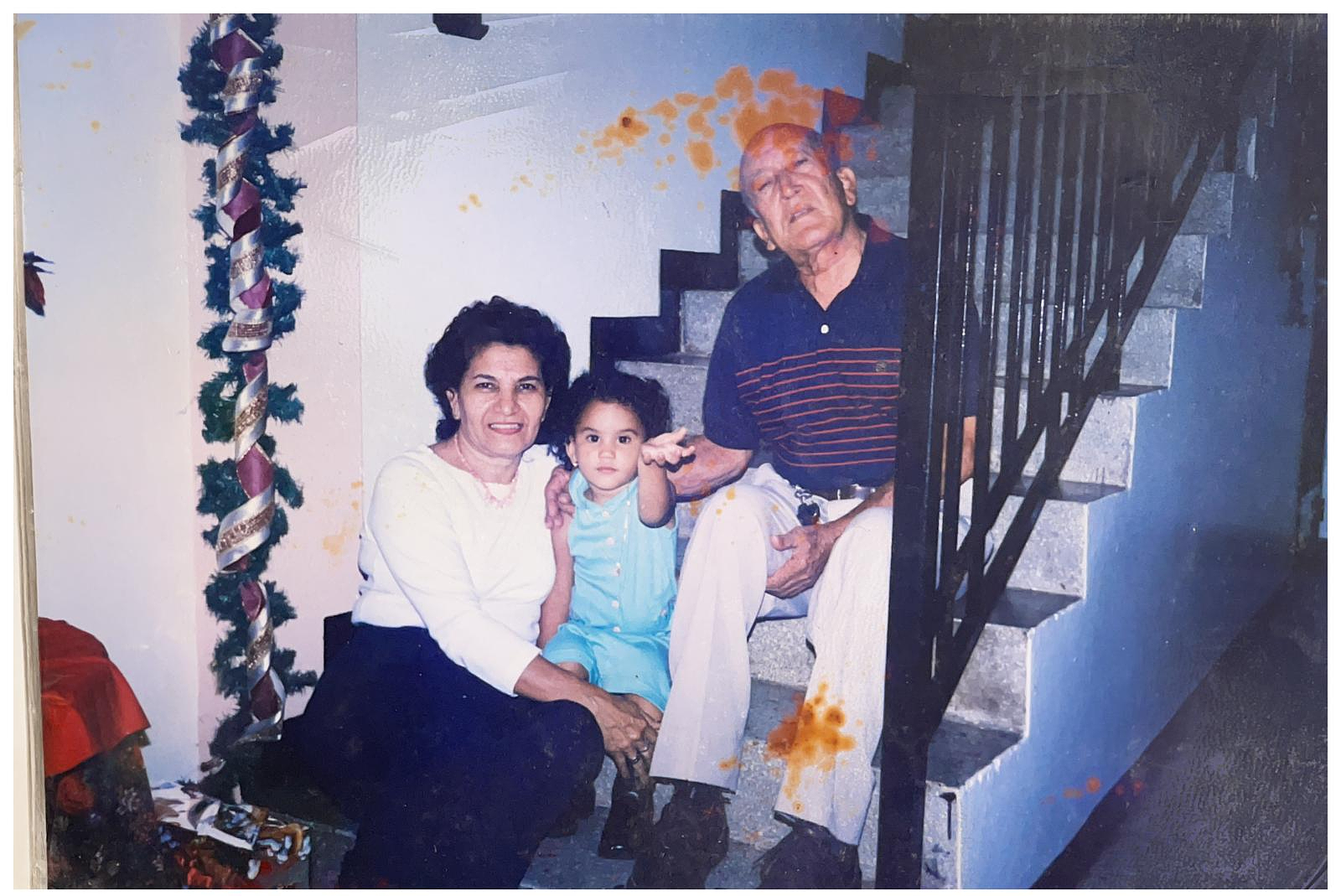
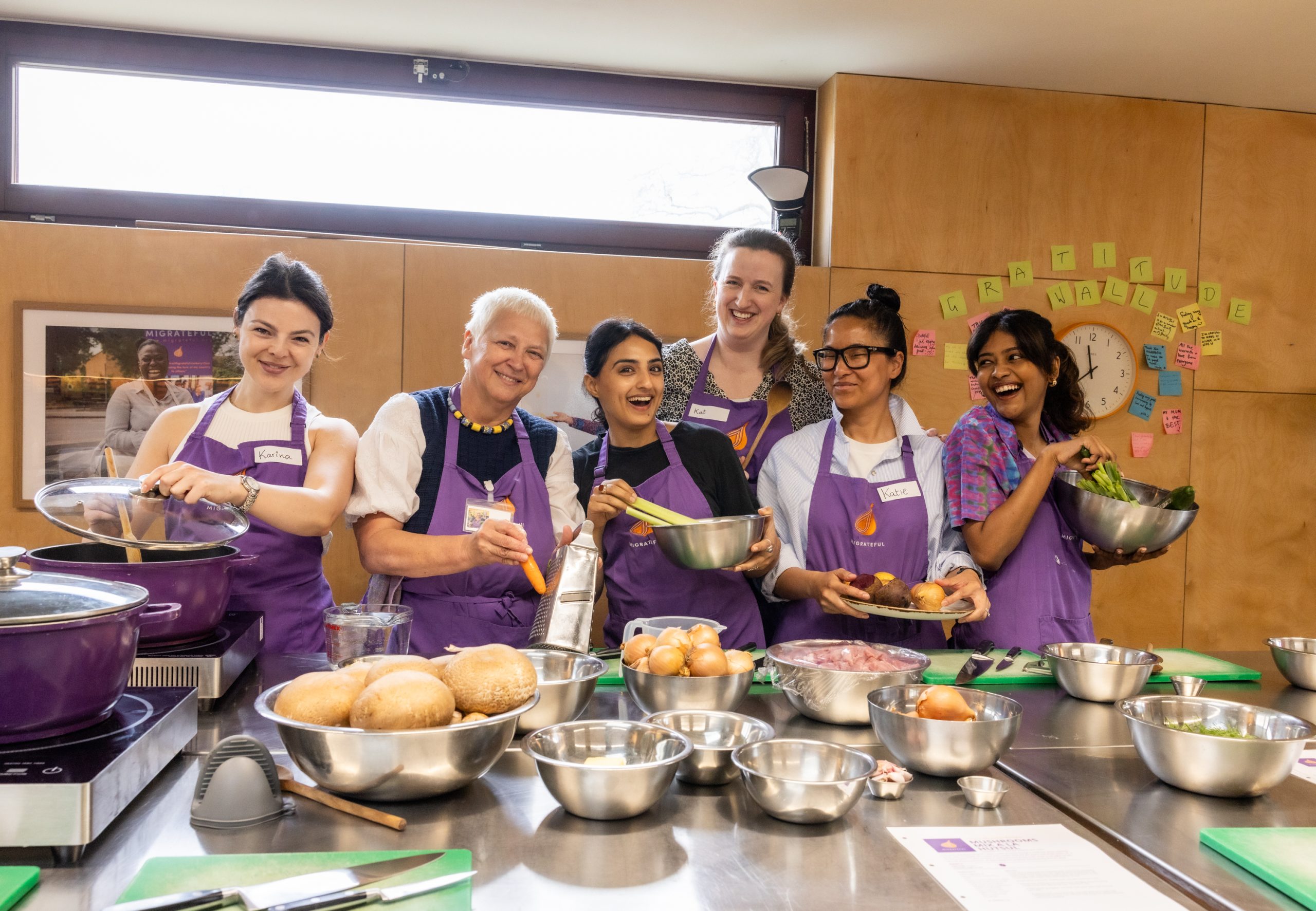
For those of you who have attended a Migrateful class, you will know that we often start by asking each participant to share with the group a dish that reminds them of home. ‘For me’ I share, ‘it has to be a jacket potato with tuna mayonnaise – it reminds me of my family home in Bristol when I was a teenager on a Saturday lunchtime, those were happy days’. This exercise always creates a feeling of intimacy in the room as people share their fondest food memories, connecting them back to a time when they felt safe and at ‘home’. The difference is that many of the participants attending the class can easily return to their ‘home’ – for me, my parent’s home in Bristol is only a train ride away. In contrast, in the majority of cases, the Migrateful chefs teaching the group, do not have the choice to go home. Over the last 7 years of running Migrateful, I have learnt that cooking and sharing traditional foods can be especially significant for people displaced from their country of origin as it helps them maintain a connection to their home country and cultural heritage.
Food connects us to memories of home
The sensory experience of eating—taste, smell, sight, touch, and even sound—can trigger vivid memories. The brain’s olfactory bulb, responsible for processing smells, is directly connected to the amygdala and hippocampus, which are involved in emotion and memory. This means that the smell and taste of certain foods can instantly transport us back to specific times and places, evoking powerful feelings of nostalgia. Food often plays a central role in caregiving and nurturing from a young age. Meals prepared by parents or loved ones are associated with comfort, security, and care. Eating these familiar foods can provide a sense of reassurance and emotional support, particularly during stressful or challenging times. Migrateful chef Amna from Gaza, tells her class how eating Sayadiyah fish, a traditional dish made of rice, mustard, chowder and fried fish, reminds her of her family, who lived in a house facing the sea in the village of Ashdod, Palestine. Amna shares,
“[…] Fish was always available, and my mother, as she told us, was good at the art of making different types of fish… that’s why this dish still means a lot to me with its emotional aspect, as I always see my mother as the champion of this wonderful recipe, which the family usually gathered around to make her the master of the table, and her beautiful memories accompany me whenever I prepare it.”
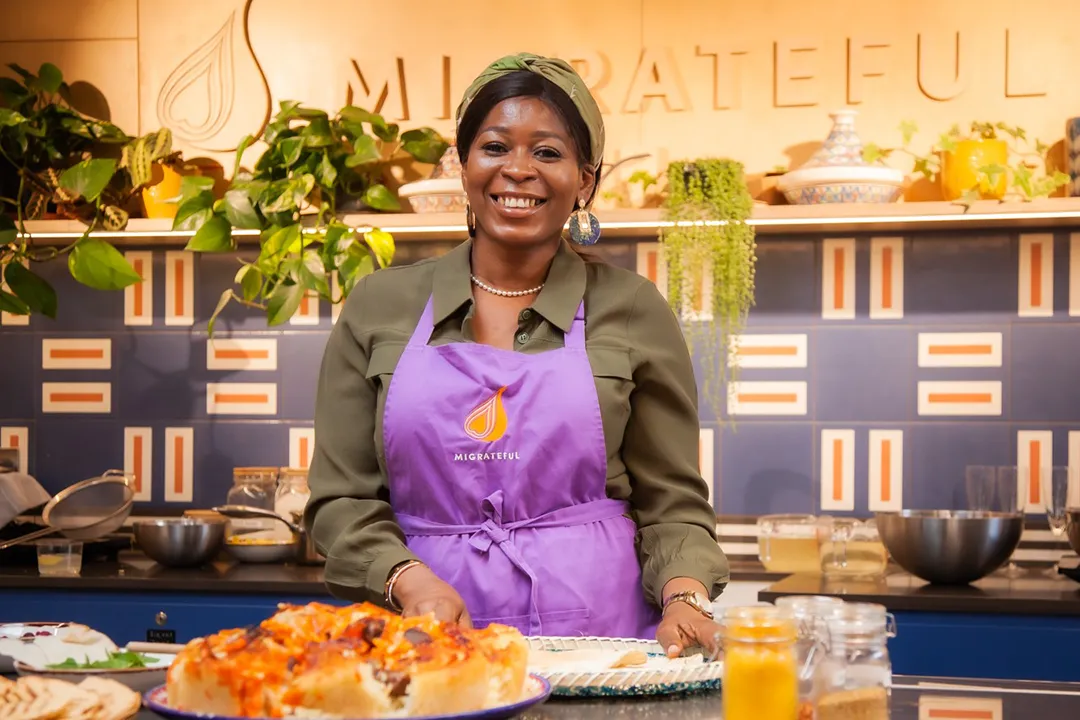
Similarly, Migrateful chef Halima from Nigeria (pictured below) describes how eating Asaro (Nigerian yam porridge) transports her back to her childhood.
“[Asaro] is a beloved dish that brings back memories of Nigeria for me. As a child, my mother would prepare Asaro on special occasions, especially birthdays and Eids, and the aroma of the simmering ingredients would fill our home with warmth and nostalgia.”
The therapeutic effects of cooking
Cooking and eating can serve as a form of meditation and distraction from physical and psychological pain. Many of our chefs report that teaching cookery classes and sharing meals provides them with a complete distraction from their day-to-day worries. For instance, our Lebanese chef who experienced chronic pain due to being shot in Lebanon said the only time he didn’t feel his pain was when he was teaching his cookery classes. Similarly, a few months back, one of our chefs found out that her family’s home had been bombed the morning of her cookery class. We asked her if she would prefer we cancel the class and she replied no because the class allowed her a moment of respite from the shock and grief. She could instead immerse herself in the cooking and the food, rather than constantly worrying about her family’s safety back home. These examples highlight the power of food to bring us into the present moment, offering a therapeutic escape from stress and pain.
Food connects us to our cultural identity
Migrateful chefs share that preparing and serving their traditional dishes in their new country helps them preserve their culinary heritage and instils a sense of pride in their cultural identity. Food is deeply embedded in cultural traditions and practices and many of us grow up eating certain foods that are unique to our family or cultural background. These foods become a part of our identity and heritage – and in some cases, gain official recognition for their cultural significance. Migrateful chef Sanobar, who is from Uzbekistan and has Tajik heritage, tells us,
“Oshi Palav has been recognised as the ‘King of Meals’ by UNESCO in 2016. In 2016, when UNESCO named Tajikistan’s Oshi Palav to its list of intangible cultural heritage, it also gave Uzbekistan’s famous version, Palov, its own listing.” Sanobar shares her own Palav recipe, a vegetarian version made using chickpeas instead of meat, at her cookery classes. Eating such foods can evoke memories of family gatherings, holidays, and cultural rituals, reinforcing our sense of identity and connection to home.”

Sharing food helps us to feel we belong
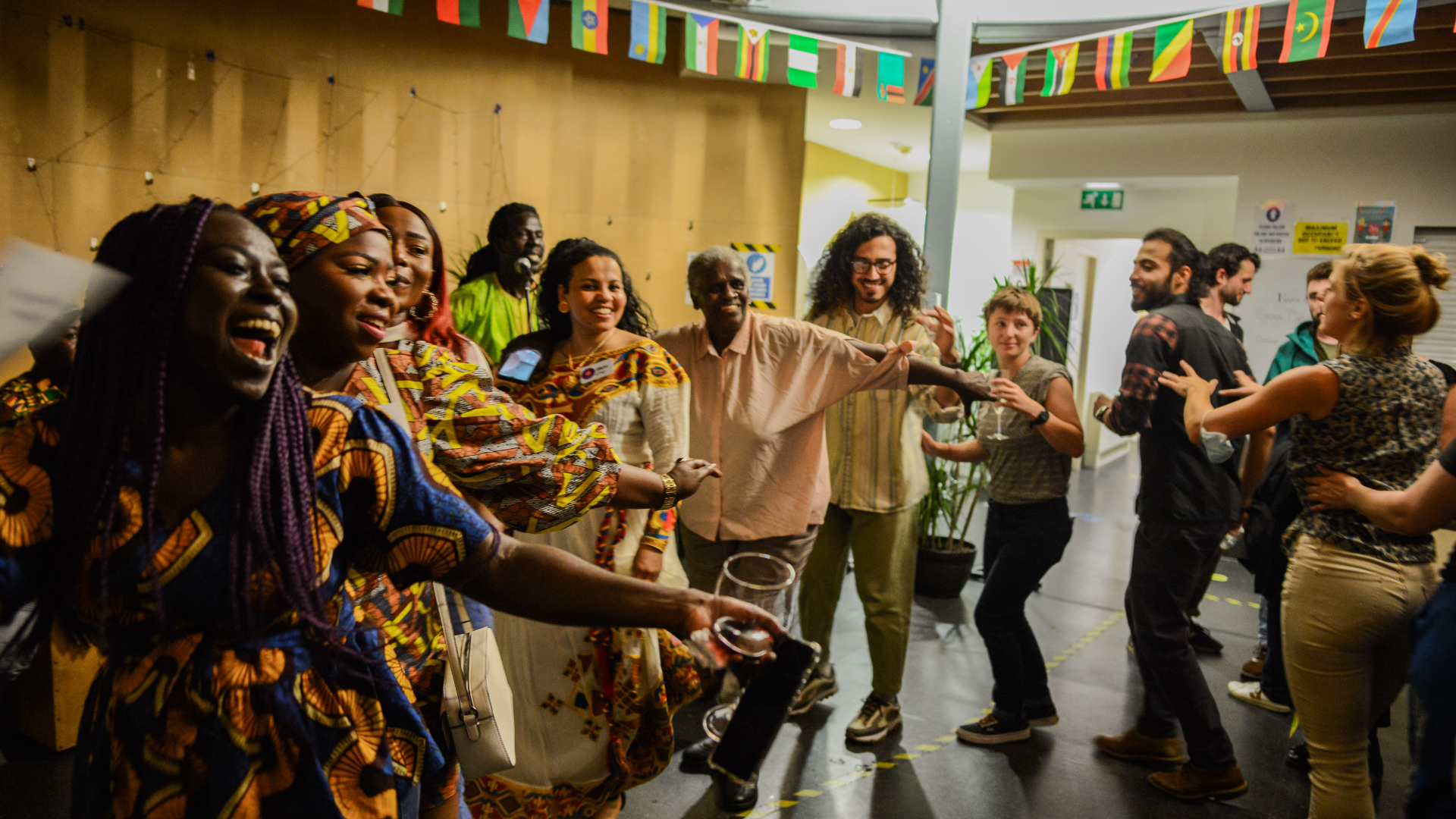
Daily rituals around food, such as family dinners or holiday meals, create structure and routine in our lives and help to develop strong social bonds and shared experiences. These rituals are often comforting and stabilising. When we replicate these rituals, even in different settings, they can bring a sense of continuity and stability, reminding us of home and familiar routines. Migrateful chefs report that maintaining these food rituals helps them preserve a sense of normalcy and continuity in a new and unfamiliar environment. In addition, Migrateful chefs explain that moving to a new country can be a very lonely and isolating experience. Sharing meals with others in their new country creates a sense of community for them and helps to combat feelings of social isolation. Elahe said:
“A huge part of our lives in Iran was spent cooking and eating with family, which we miss. This is why we love Migrateful so much because it gives us the feeling of being part of a family”.